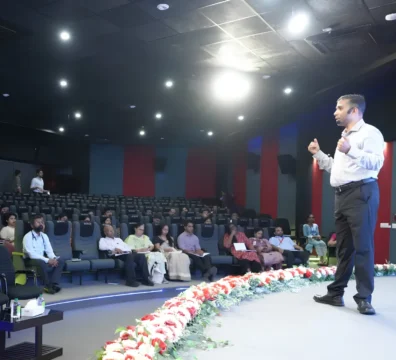
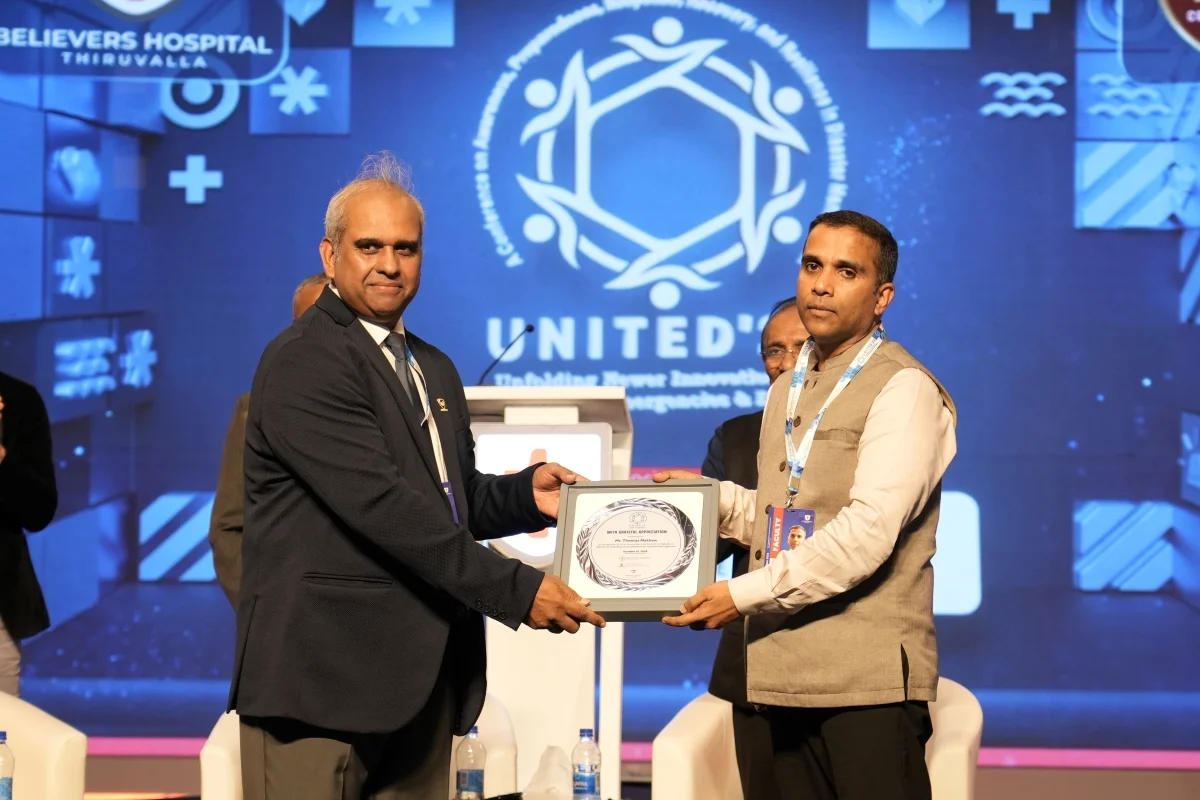
Disaster management in healthcare is not a theoretical exercise—it is a live operational test. Concluding on October 10, 2026, UNITED ‘26 convened healthcare leaders, public health authorities, and emergency response experts at the Believers Convention Centre in Thiruvalla. Co-hosted by Believers Church Medical College Hospital alongside Wayne State University and the WHO Collaborating Centre for Emergency and Trauma Care, the conference focused on translating static crisis protocols into real-world operational execution.
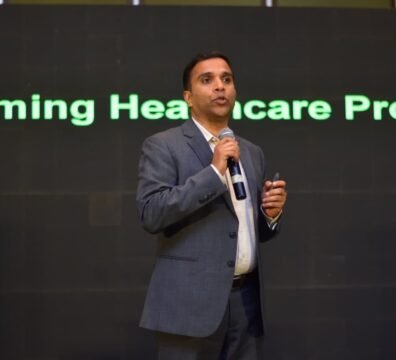
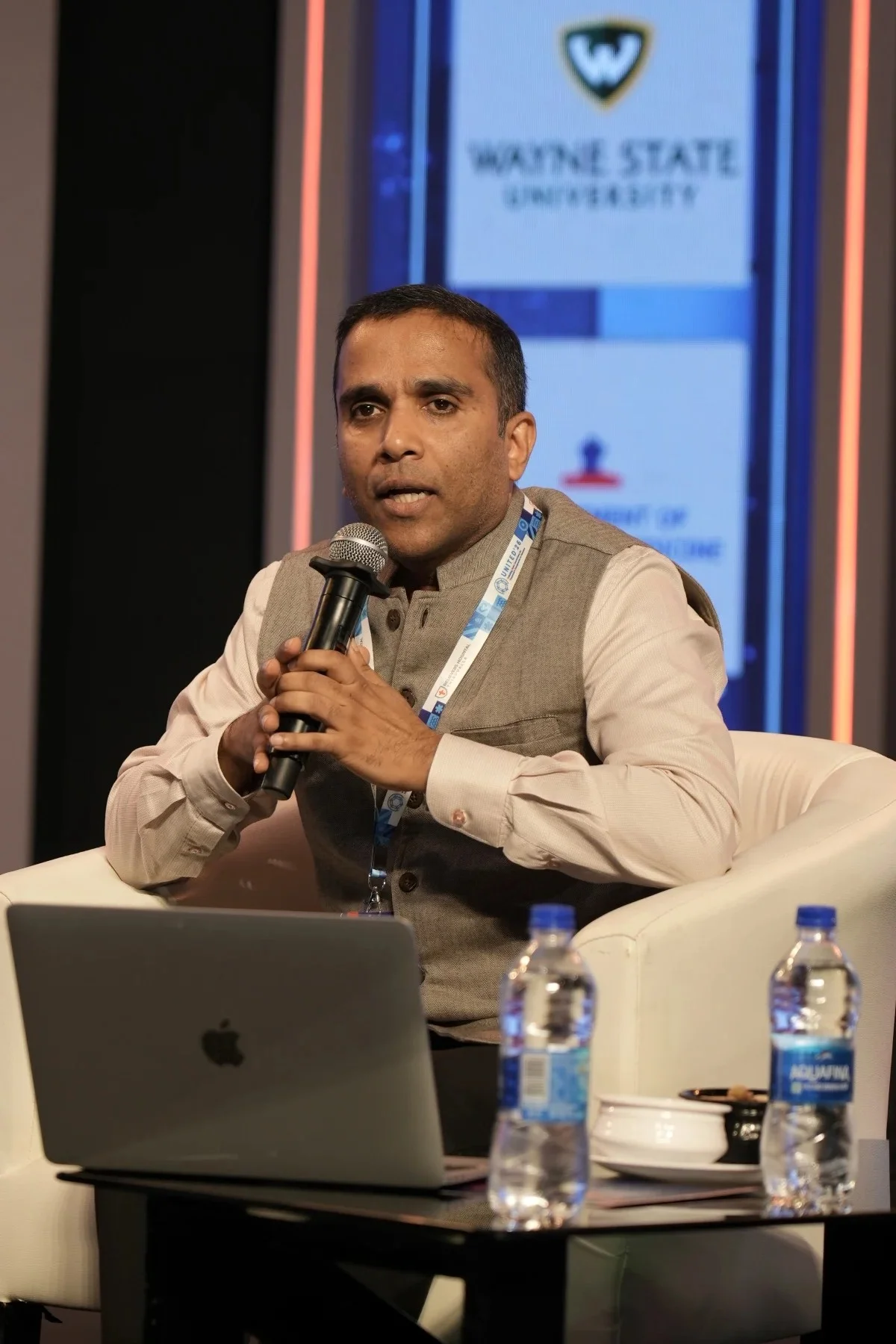
Having navigated the devastating 2018 floods, Nipah outbreaks, and the front lines of the COVID-19 pandemic, Kerala’s health ecosystem offers critical lessons in healthcare disaster response. Moderating Panel 1, I had the privilege of leading a discussion alongside frontline experts on how institutions can maintain readiness during quiet non-emergency years, pre-authorize swift crisis decision-making, and structure emergency plans around core universal functions: command, supply chains, staffing, and patient movement.
These functional principles mirror global operational standards under JCI Accreditation (Facility Management and Safety), which mandate an all-hazards approach and clear leadership accountability over static manuals. The central takeaway from our session was unmistakable: plans don’t fail in the writing—they fail when nobody owns them. True hospital resilience demands singular accountability and seamless integration between facility, district, and state response systems to safeguard patients and healthcare workers when every second counts.